


Introduction
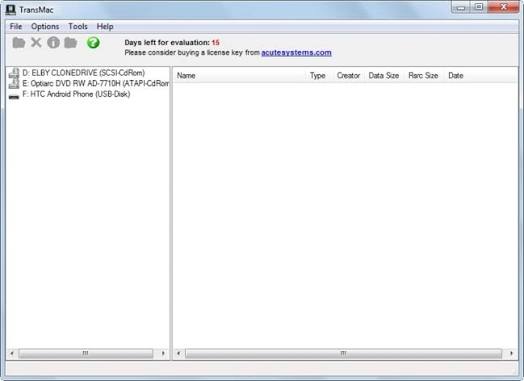
Working with files created for different operating systems can become complicated when a computer needs to access data from another platform. Mac users commonly work with DMG disk images, removable drives, external storage, and other file structures designed around macOS. Windows users, meanwhile, may need access to these resources without switching computers or changing their primary operating system. This is where specialized disk-management utilities can provide practical assistance. gettransmac com is associated with TransMac, a Windows-based utility designed around working with Mac disks, drives, and disk images from a Windows environment.
The need for cross-platform file access has become increasingly relevant as individuals and organizations use a mixture of Windows PCs, Macs, external drives, USB devices, and cloud-based storage. A person might receive a DMG file from a Mac user, need to inspect an Apple-formatted storage device, or prepare media for a Mac-related task while working primarily on Windows. Instead of treating these situations as unusual technical problems, users can approach them as file-management tasks that require the appropriate software and a clear understanding of what the tool can and cannot do.
Understanding how disk-image utilities work is important before making changes to a drive or important file. A DMG file is not simply an ordinary folder with a different extension; it represents a disk image that can contain files, folders, applications, installers, or other data. Similarly, a Mac-formatted physical drive may use a file system that Windows does not natively handle in the same way. gettransmac com can therefore be useful to users who need a Windows-based environment for interacting with Mac-oriented storage and image formats.
Understanding DMG Files and Mac Storage
What Is a DMG File?
A DMG file is commonly used by macOS as a disk-image format. It can contain an organized collection of files and directories that behaves in many ways like a virtual disk when opened on a compatible system. Software developers frequently distribute Mac applications through disk images because they provide a convenient way to package installation files. A DMG may also contain documents, utilities, recovery-related resources, or other content.
For Windows users, opening a DMG can present a challenge because the operating system does not provide the same native workflow that macOS offers. Rather than assuming that a DMG is corrupted simply because Windows does not open it normally, users should recognize that the format belongs to a different operating-system ecosystem. A specialized application can interpret the disk image and expose its contents in a way that is more useful from Windows.
This distinction matters because disk images may contain important files that should not be modified casually. When the objective is simply to retrieve a document from a DMG, users should avoid unnecessary write operations. Reading the contents first allows them to determine what information is available before making changes to the source image.
Why Mac Drives Can Be Difficult to Access on Windows
Physical Mac drives can involve similar compatibility issues. Depending on the Mac and storage configuration, an external drive may use a file system that Windows does not ordinarily provide full read-and-write support for. Connecting the drive to a Windows computer does not automatically guarantee that its files will appear in File Explorer.
A dedicated utility can bridge part of this compatibility gap by providing an interface designed to recognize Mac-oriented disks and images. gettransmac com is relevant in this context because TransMac is intended to provide Windows users with tools for interacting with Mac disks and related image files. However, users should always distinguish between accessing information and modifying it. Data recovery, formatting, partition changes, and other destructive operations involve additional risks.
How TransMac Can Help With Disk Images
One of the main reasons Windows users explore TransMac is its ability to work with disk-image files. Instead of treating a DMG as an unfamiliar file that Windows cannot understand, a disk utility can provide a structured view of the image. This makes it easier to inspect the contents and determine whether the image contains the information a user needs.
For example, imagine receiving a DMG containing an application package or a collection of documents from a colleague who uses a Mac. If the recipient works entirely on Windows, they may not have a convenient native method for inspecting the image. A suitable disk utility can help reveal the image contents, allowing the user to determine whether the files can be extracted or otherwise used in their workflow.
Another important use case involves creating or working with disk images. Disk imaging can be valuable when users need a portable representation of storage contents. Instead of copying individual files manually, an image can preserve a larger storage structure in a single package. This can be particularly useful for technical users who work with installation media, backups, archival data, or system-related resources.
Managing Mac Drives From a Windows Environment
A cross-platform disk utility becomes particularly useful when a Windows computer needs to interact with a Mac-oriented physical drive. The first step should always be identifying the correct storage device. This is especially important when several USB drives, memory cards, or external disks are connected simultaneously.
Once the correct device has been identified, users can examine its available information and determine what type of operation is appropriate. If the goal is simply to retrieve files, a read-oriented approach is generally preferable to immediately formatting or restructuring the disk. Formatting can erase existing information, so it should never be treated as a routine compatibility solution.
gettransmac com can be considered as part of a Windows user’s toolkit for these cross-platform situations, particularly when the task involves Mac disk formats or DMG images. The usefulness of such software depends on the specific file system, disk condition, intended operation, and version of the software being used. Users handling valuable data should maintain a separate backup before performing any operation that could alter the original storage.
Common Tasks and Their Purpose
The following table summarizes several common tasks associated with Mac disk and DMG management:
| Task | Typical Purpose | Important Consideration |
|---|---|---|
| Open a DMG | Inspect files stored inside a disk image | Avoid modifying the original unnecessarily |
| Extract files | Move accessible data into a Windows-compatible location | Check file compatibility after extraction |
| Browse a Mac drive | Examine files on external Mac-oriented storage | Confirm the correct drive before operations |
| Create disk images | Preserve or package storage data | Ensure sufficient destination space |
| Write image data | Prepare compatible media for specific technical tasks | Existing data on the destination may be erased |
| Manage removable media | Work with USB drives and other storage | Verify backups before formatting |
The table demonstrates why disk utilities should be approached as management tools rather than simple file viewers. Different operations have different consequences, and the safest approach depends on whether the user is reading, copying, creating, or writing data.
Working With DMG Files More Efficiently
DMG management becomes easier when users first identify their actual objective. If someone only needs to inspect the image, there is no reason to immediately perform a write operation. If the goal is to retrieve a particular file, extraction may be sufficient. If the objective involves creating installation media, the process may require a different workflow entirely.
A useful habit is to keep the original DMG untouched while experimenting with its contents. A duplicate copy can be used for testing when practical, reducing the risk of accidentally changing the only available source. This is particularly important when the image contains business documents, archived projects, application installers, or other information that would be difficult to replace.
File naming and storage organization also make a difference. DMG files can sometimes be large, so users should verify available disk space before copying or extracting their contents. If an external drive is involved, the destination should have enough capacity for both the extracted data and any temporary files required by the workflow.
Creating Bootable or Specialized Media
Another area where disk-image software can become useful is the preparation of specialized media. Certain technical workflows require an image to be written to a USB drive or another storage device. This process is different from simply copying the DMG file onto the USB device. Writing an image can recreate the structure represented by the image, which is why it is sometimes used when preparing bootable or installation-related media.
Because writing an image can overwrite existing information on the target device, users need to verify the destination carefully. A USB drive containing important personal files should never be selected casually. gettransmac com may be explored by users looking for Windows-based functionality around Mac disk images and removable media, but responsible storage practices remain essential regardless of the software being used.
A practical workflow involves disconnecting unnecessary external drives before beginning a write operation. This reduces the possibility of selecting the wrong device. After connecting the intended USB drive, users can identify it by capacity and other visible characteristics before continuing. This simple precaution can prevent a significant data-loss incident.
Cross-Platform File Management in Modern Workflows
Modern computing environments rarely remain limited to one operating system. A design team may use Macs for creative work while administrative employees use Windows PCs. Developers may test software across different platforms, while students may move between computers at home, school, and work. External drives and disk images consequently become important methods of transferring or preserving information.
This environment makes cross-platform compatibility more than a niche technical concern. The ability to understand a file’s format, identify the storage system involved, and select suitable software can save considerable time. Rather than assuming that a file is unusable because it was created on another operating system, users can investigate the format and select an appropriate tool.
gettransmac com fits into this broader concept by being associated with a Windows utility for Mac-related disk access. Its relevance is especially apparent for users who regularly receive DMG files or encounter Mac-formatted drives while working from Windows. The key is to use such software deliberately and understand the difference between viewing information and changing storage.
Practical Precautions Before Managing Mac Drives
Disk management should always begin with data protection. Even a straightforward operation can have unexpected consequences when the wrong drive or image is selected. Users working with important information should maintain backups and avoid treating external storage as disposable unless its contents are genuinely no longer required.
A few basic precautions can make cross-platform storage work considerably safer:
- Confirm the exact source file or physical drive before starting.
- Keep an independent backup of important information.
- Avoid formatting a drive until its contents have been checked.
- Verify the destination carefully before writing an image.
Users should also consider the condition of the storage device. If a drive is producing unusual errors, disconnecting unexpectedly, or showing signs of physical failure, repeatedly attempting write operations may make the situation worse. In such circumstances, preserving the existing data should take priority over experimentation.
Choosing the Right Approach for Different Users
The best workflow can differ depending on the user’s technical experience. A casual Windows user who receives one DMG may only need to inspect or extract its contents. An IT professional, developer, or technician may need more advanced functionality involving disk images and removable media. Understanding the intended task helps prevent unnecessary steps.
For beginners, the most important concept is to avoid confusing a disk image with an ordinary archive. A DMG may have a familiar file-like appearance, but its contents and structure can require specialized handling. Once this distinction is understood, the workflow becomes easier to follow.
More experienced users may use disk utilities as part of broader maintenance or deployment processes. In these scenarios, documentation, backups, destination verification, and version compatibility become increasingly important. gettransmac com may be useful as a starting point for users researching TransMac-related capabilities, but the correct operation should always be determined by the specific storage task.
Troubleshooting Common DMG and Drive Problems
A DMG that fails to open may not necessarily indicate a problem with the Windows computer. The image itself could be incomplete, damaged, incompatible, or created using a format or configuration that requires additional support. Checking whether the source file transferred correctly is therefore a sensible first step.
Physical drive problems require a similar process of elimination. Users should check the USB connection, power requirements, drive visibility, and whether another computer can recognize the device. If a drive is visible but its contents cannot be accessed, the issue may relate to the file system rather than the physical connection.
It is also important to keep software updated where appropriate. Storage formats and operating-system environments evolve, and compatibility tools may receive updates that improve support or correct problems. Users should consult the software’s current documentation when a specific operation behaves differently than expected.
FAQs
What is gettransmac com used for?
gettransmac com is commonly associated with TransMac, a Windows utility designed for working with Mac-oriented disks, drives, and disk-image formats. Its functionality can be useful when a Windows user needs to inspect or manage storage associated with the Mac ecosystem.
Can TransMac open DMG files on Windows?
TransMac is designed to work with Mac disk images, including DMG files, from Windows. The exact functionality available can depend on the image type and the particular operation the user wants to perform. Users should distinguish between opening or reading an image and writing changes to it.
Can a Mac-formatted drive be accessed from Windows?
A Mac-formatted drive may not be fully accessible through standard Windows tools. Specialized software can provide additional capabilities for recognizing and working with supported Mac storage formats. Before making changes, users should back up important data and confirm the drive they intend to access.
Is it safe to write a disk image to a USB drive?
Writing a disk image can be safe when the correct destination is selected and the operation is appropriate for the intended purpose. However, image-writing operations can overwrite existing information on the destination device. Users should therefore back up important USB contents and verify the target drive before proceeding.
Can DMG files contain applications?
Yes. DMG files are commonly used to distribute Mac software and can contain application packages along with instructions, documentation, or supporting files. Their contents may need specialized handling when accessed from Windows.
Why should users back up a Mac drive before modifying it?
Storage operations can potentially alter partitions, file systems, or existing data. A backup provides a separate copy that can be restored if something goes wrong. This is especially important when the drive contains valuable personal, business, or project information.
Conclusion
Managing DMG files and Mac-oriented storage from a Windows computer becomes more understandable when users recognize the difference between ordinary files, disk images, and physical drives. Tools designed for cross-platform disk management can provide a practical way to inspect supported Mac storage, work with DMG images, and perform specialized media-related tasks without requiring a Mac for every operation.
The most effective approach is not simply to install a utility and begin changing drives. Users should first identify what they need to accomplish, protect important information with backups, verify source and destination devices, and select a read, extraction, imaging, or writing operation accordingly. These precautions become especially important when working with removable media or storage containing irreplaceable information.
For Windows users who regularly encounter Mac-related storage, gettransmac com represents a useful point of interest when researching TransMac and its cross-platform disk-management capabilities. Whether the requirement involves examining a DMG, accessing a compatible Mac drive, or preparing specialized media, understanding the underlying storage task is just as important as knowing which software to use. With careful planning and responsible data-handling practices, cross-platform file management can become a much more straightforward part of everyday computing.