


Introduction
Working with storage devices can sometimes be confusing, especially when a drive has been created or formatted for a different operating system. Users may encounter situations where an external drive, USB device, or disk image is not immediately accessible through their regular file manager. Software designed to bridge these compatibility gaps can make storage management much easier. For beginners, understanding what the software does and how to approach common tasks is more important than learning every advanced feature at once.
The term gettransmac com is commonly associated with information and resources surrounding TransMac, a Windows-based utility designed to work with Mac-formatted disks and Apple-related disk image files. Its purpose is particularly useful for Windows users who need to access, manage, or create certain Mac-compatible storage formats. Instead of treating the software as a complicated technical tool, beginners can approach it as a specialized storage utility with a few important functions that become easier after some basic practice.
This guide explains the fundamentals in a straightforward way. It covers what the software is used for, how beginners can prepare their system, how disk management works, and what precautions should be taken before modifying storage media. The goal is to provide a practical understanding so that new users can work carefully and confidently.
Understanding What TransMac Software Does
TransMac is primarily associated with accessing Mac-formatted storage devices from a Windows environment. Windows and macOS use different file systems and storage conventions, which can create compatibility problems when a drive moves between computers. A disk that works normally on a Mac may not appear in a usable form on a Windows computer. A specialized utility can help users inspect supported Mac volumes, work with disk images, and perform certain storage-related operations.
For beginners researching gettransmac com, the most important concept is that this type of software should be treated as a disk-management utility rather than an ordinary file browser. Some operations can change the contents or structure of a storage device, so users should understand the selected drive before clicking commands that write, erase, format, or restore data. Reading information from a device is generally a different task from modifying it, and knowing that distinction can prevent accidental data loss.
Why Windows Users May Need a Mac Disk Utility
Cross-platform storage is increasingly common. People may use a Windows desktop at work, a MacBook at home, and external storage for moving files between them. Although common file systems such as exFAT are designed for broad compatibility, older Mac-formatted drives and specialized disk images may still require additional software on Windows.
Consider a simple example. A user receives an external drive that was previously connected to a Mac. Windows detects the physical device but does not provide normal access to the files. The problem may not be that the drive is damaged. Instead, Windows may not natively provide the required support for the file system on that particular volume. This is where a tool such as TransMac can become useful because it is designed around compatibility with Mac-oriented storage formats.
The value of gettransmac com information is therefore largely connected with helping users understand when such a utility is appropriate. It can be useful for examining supported volumes, working with disk images, and handling particular Mac-related storage tasks from a Windows computer.
Getting Started Before Installation
Before installing any disk-management software, beginners should prepare their computer and storage devices. It is a good idea to close applications that may be accessing the drive and disconnect unnecessary external storage. This reduces the possibility of selecting the wrong device during a later operation. Users should also make sure they have sufficient permissions on their Windows computer because some disk-related functions may require administrative access.
Another important preparation step is creating a backup. If the storage device contains important documents, photographs, business files, or other irreplaceable information, those files should have another copy before any write or formatting operation is attempted. Even when software is functioning correctly, a mistake in selecting a disk can have serious consequences.
A beginner should also identify the physical device before starting. Windows may display several disks, including the internal system drive, recovery partitions, USB drives, memory cards, and other connected devices. Knowing the approximate capacity and connection type of the intended drive makes identification much easier.
Installing and Opening the Software
Once the appropriate software package has been obtained from a trusted source, installation is generally similar to installing other Windows utilities. Users should review the installation screens rather than automatically accepting every option. After installation, the application can be opened from the Windows Start menu or its installed shortcut.
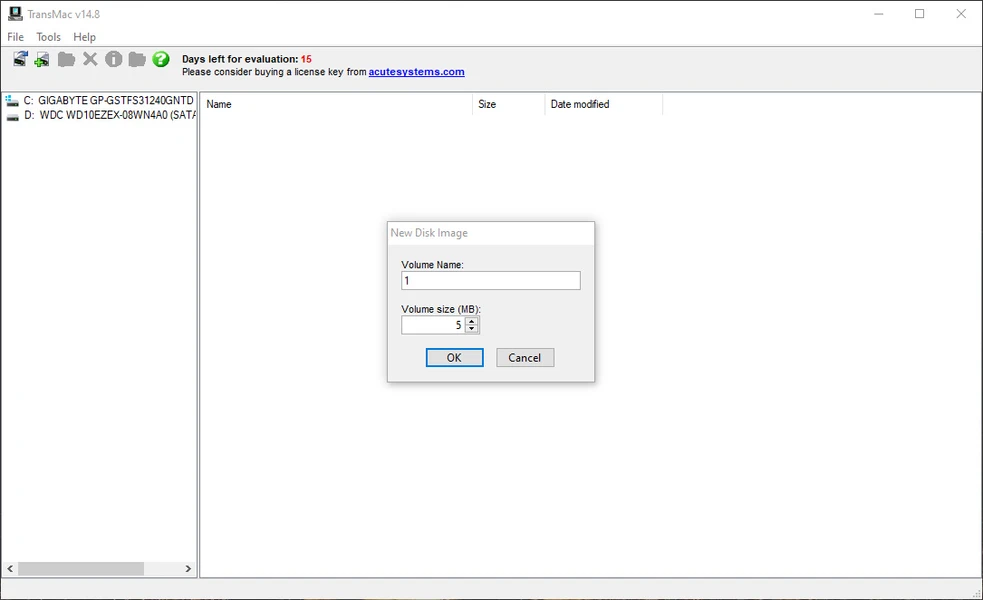
When the program starts, beginners may see a layout containing physical disks, volumes, image files, and commands for different storage operations. The interface can initially appear technical because disk-management programs are designed to expose information that ordinary file managers hide. However, most beginners only need to understand a small portion of the available features.
For someone following gettransmac com guidance, the safest approach is to begin with read-oriented tasks. Examine the available disks and understand how the program identifies them before attempting to write anything. This creates familiarity with the interface without immediately risking changes to important data.
Exploring Mac-Formatted Storage
One of the main reasons users turn to TransMac is to interact with Mac-formatted storage from Windows. When a supported external disk is connected, the software can provide information about the device and its accessible structures. Depending on the storage format and the software version, users may be able to browse directories or extract files from supported volumes.
The process is conceptually similar to opening folders in a normal file manager, but the important difference is that the specialized utility is interpreting a storage format that Windows may not handle directly. This makes it possible to inspect files that would otherwise appear inaccessible through standard Windows tools.
Beginners should avoid assuming that every Mac drive can be opened or repaired simply because the utility supports Mac-related formats. Compatibility depends on the file system, software capabilities, drive condition, permissions, and other technical factors. If a disk is physically failing or seriously corrupted, software alone may not be enough to recover its contents.
Working With Disk Images
Another useful area is disk-image management. A disk image is essentially a file that represents the contents or structure of a storage medium. Disk images are commonly used for backups, software distribution, system installation media, and archival purposes. Some Apple-related image formats may not be convenient to handle with standard Windows applications.
TransMac can be used for certain operations involving Mac-compatible disk images. A beginner might encounter an image file when preparing installation media or examining an archived storage image. Instead of treating the image as a normal document, users should understand whether the intended action is to inspect it, extract files, or write its contents to a physical drive.
This distinction is particularly important. Opening an image for inspection is very different from writing that image onto a USB drive. Writing can replace existing information on the destination device. Therefore, before using any restore or write function, users should verify the destination drive carefully.
Common Beginner Tasks and Their Purpose
| Task | General Purpose | Beginner Consideration |
|---|---|---|
| Browse a supported volume | Examine files and folders | Start with read-only exploration |
| Open a disk image | Inspect image contents | Confirm the image format first |
| Extract files | Copy selected information | Choose a safe destination |
| Create or write media | Prepare a physical storage device | Verify the target drive carefully |
| Manage supported Mac disks | Work with cross-platform storage | Back up important information first |
The table highlights an important principle: not every function carries the same level of risk. Browsing and extracting information are generally less disruptive than operations that write to a physical storage device. A beginner should therefore build confidence gradually instead of experimenting immediately with advanced commands.
Creating Bootable or Specialized USB Media
One common reason users investigate gettransmac com is the preparation of specialized USB media from a Windows computer. Depending on the version and supported formats, TransMac may provide functionality for writing a disk image to a USB drive. This can be useful in situations where a Mac-compatible image needs to be transferred onto physical media.
The key point is that writing an image is a destructive operation for the destination in many cases. If a USB drive contains photographs, documents, or other files, those files may be erased when the image is written. Therefore, users should use a dedicated USB drive or ensure that important data has already been backed up elsewhere.
Beginners should also avoid interrupting a writing operation. Removing the USB device, shutting down the computer, or closing the application while data is being written can leave the destination media incomplete. Once the process finishes, the resulting drive should be checked according to the requirements of the task.
Basic Safety Practices
Disk utilities provide powerful functionality, which means careful operation is more important than speed. A few simple habits can significantly reduce mistakes:
- Identify the correct physical drive before performing a write operation.
- Back up important files before changing a disk.
- Avoid interrupting formatting or image-writing processes.
- Keep important data on a separate backup device.
These precautions are especially relevant when using gettransmac com resources to learn about disk operations. Beginners sometimes focus on finding the correct button without first understanding what that button will do. A better approach is to read the command description, identify the source and destination, and confirm whether the operation is read-only or modifies the disk.
Troubleshooting Common Problems
A drive that does not appear as expected can have several possible causes. Windows may not recognize the physical device correctly, the USB connection may be faulty, the storage medium may have file-system corruption, or the particular format may not be supported by the installed software version. Trying a different USB port or checking whether the device appears in Windows Disk Management can help determine whether the issue is hardware-related.
If the device is visible but its contents cannot be accessed, users should avoid immediately formatting it. Formatting can destroy recoverable information. Instead, they should first determine whether the drive contains important data and whether the problem is related to compatibility, corruption, permissions, or physical failure.
Another common issue involves disk images. An image may fail to open because it is incomplete, damaged, or in an unsupported format. Users should confirm the file extension and source before assuming that the software is malfunctioning. When possible, testing a copy of the image rather than the original also provides an additional layer of protection.
Understanding Read and Write Operations
One of the most valuable concepts for beginners is the difference between reading and writing. Reading means examining information already stored on a device. Writing means changing or adding information to that device. Formatting, restoring an image, and creating certain types of media can involve substantial changes to the destination.
When researching gettransmac com, beginners should pay particular attention to this distinction because many storage mistakes happen when users select the wrong destination. For example, if a computer contains a 1 TB internal disk and a 16 GB USB drive, selecting the wrong device during a write operation can result in major data loss.
A useful habit is to disconnect unrelated external drives before performing a sensitive operation. Fewer connected devices mean fewer opportunities for confusion. Users can then reconnect other storage after the task has been completed.
Practical Example for a New User
Imagine a Windows user receives a USB drive that was previously used with a Mac. Windows detects the device, but the files do not appear normally. The user first checks the physical connection and confirms that the drive is recognized. Instead of formatting it, the user opens a compatible disk utility and examines the available volume information.
After identifying the supported Mac volume, the user attempts to browse the contents. If the necessary files are accessible, they can be copied to a Windows-compatible location for backup or further use. The original drive is left unchanged during this process. This example demonstrates a cautious workflow: identify the problem, inspect the drive, retrieve important information, and only then consider any modification.
This type of approach is more useful than memorizing individual commands. The software interface may change between versions, but the underlying principles of identifying devices, protecting data, understanding file systems, and distinguishing read operations from write operations remain relevant.
Tips for More Confident Use
As users become familiar with the software, they can explore more advanced features. However, learning should remain task-focused. If the objective is simply to copy files from a Mac-formatted drive, there is no reason to experiment with unrelated formatting or restoration tools.
Users researching gettransmac com can also benefit from checking the exact software version they are using because features and compatibility can change between releases. Instructions written for an older version may not perfectly match a newer interface. Reading current documentation and carefully checking command descriptions can prevent confusion.
It is also useful to maintain a simple backup routine. If a storage device contains valuable information, one working copy should never be the only copy. A second drive or another suitable backup method can provide protection against accidental deletion, hardware failure, and unsuccessful disk operations.
FAQs
What is TransMac mainly used for?
TransMac is a Windows utility associated with accessing and managing certain Mac-formatted storage devices and disk-image files. It can be useful when a Windows computer needs to interact with storage created for a Mac environment. The exact capabilities depend on the software version and storage format.
Can beginners use TransMac safely?
Yes, beginners can use it when they understand the purpose of each operation and take appropriate precautions. The most important rule is to identify the correct storage device before performing any operation that writes, formats, or restores data. Important files should also be backed up beforehand.
Can TransMac access every Mac-formatted drive?
Not necessarily. Support depends on the particular file system, software version, condition of the storage device, and operation being attempted. A physically damaged or severely corrupted drive may require specialized data-recovery methods rather than ordinary disk-management software.
Does writing an image to a USB drive erase existing files?
Writing a disk image can overwrite information on the destination USB drive. Because of this, users should assume that important existing data may be lost unless the operation explicitly states otherwise. A dedicated or properly backed-up USB device is preferable for this type of task.
Why might a Mac drive appear in Windows but remain inaccessible?
Windows can recognize the physical hardware without being able to natively interpret the file system stored on it. Other causes can include corruption, connection problems, permissions, or physical drive failure. A specialized utility can help determine whether the issue is related to format compatibility.
Is it necessary to understand disk management before using the software?
A deep technical background is not necessary, but basic disk-management knowledge is highly useful. Understanding physical disks, volumes, file systems, backups, and read-versus-write operations helps users make safer decisions and reduces the risk of accidental data loss.
Conclusion
Learning to use specialized storage software does not require advanced technical expertise, but it does require patience and careful decision-making. TransMac can be particularly useful for Windows users who need to work with supported Mac-formatted storage or disk-image files. Instead of trying every feature immediately, beginners should first understand the software’s purpose, identify their storage device correctly, and begin with simple read-oriented tasks.
The main lesson behind gettransmac com is not simply learning where individual commands are located. It is understanding how Windows, Mac file systems, external drives, and disk images interact. Once users understand those fundamentals, tasks such as browsing compatible volumes, extracting files, and preparing specialized media become easier to approach.
Most importantly, users should treat disk-writing and formatting operations with caution. A few minutes spent confirming the correct drive and creating a backup can prevent significant data loss. With a careful workflow and a clear understanding of each operation, beginners can use storage-management software more confidently while keeping their important information protected.