


Introduction
Windows computers are widely used for everyday productivity, business operations, education, media management, and technical tasks. However, users sometimes need to work with storage devices or files originally created for Apple systems. Because Windows and macOS use different file systems and storage formats, accessing certain Mac-related drives or disk images may not always be straightforward. Tools designed to bridge this compatibility gap can make the process easier for users who need to inspect, transfer, or manage data without switching between operating systems.
For beginners searching for information about gettransmac com, the first step is understanding what TransMac-style utilities are intended to accomplish. Such software is generally used to help Windows users work with Mac-oriented storage formats and disk images. Instead of treating an unfamiliar drive as inaccessible, a suitable utility can provide an interface through which users can examine supported data and perform compatible file-management operations. The exact features available depend on the software version, Windows environment, storage format, and permissions involved.
Learning the basic workflow before working with an important storage device is particularly useful. Beginners should understand the difference between reading information and modifying it, verify the correct drive before making changes, and keep a backup of valuable files. With these precautions, gettransmac com can be approached as part of a broader Windows-to-Mac compatibility workflow rather than as a complicated technical solution.
What Is TransMac and Why Would Windows Users Need It?
TransMac is a Windows-based utility associated with accessing and managing Mac-formatted storage and disk-image files. The basic reason a Windows user may need this type of software is that Windows does not natively provide the same level of access to every Apple-oriented file system and disk format. A user might connect a drive that was previously used with a Mac and discover that Windows does not handle it in the expected way. In such situations, compatible third-party software can provide additional functionality.
A common example involves an external storage device that contains files created on a Mac. A person may need to retrieve documents, photographs, project files, archives, or other information from that drive while working from a Windows PC. Another scenario involves a disk-image file that needs to be examined or prepared from Windows. Instead of immediately formatting the drive or assuming that the data is lost, users can first investigate whether the storage format is supported by an appropriate utility.
When researching gettransmac com, beginners should therefore focus less on downloading software immediately and more on understanding their specific requirement. The correct approach depends on whether the goal is to read files, transfer information, inspect an image, prepare removable media, or perform another operation. Identifying the task first reduces the possibility of selecting an inappropriate option or accidentally changing important data.
Understanding the Windows and Mac Compatibility Challenge
The main difficulty comes from differences between operating systems and their file systems. Windows and macOS have developed different approaches to organizing data on storage devices. While modern operating systems support several common formats, a storage device created or configured for a particular platform may not always behave as expected when connected to another platform.
For example, imagine that someone receives an external drive from a colleague who uses a Mac. The drive may appear differently in Windows, or Windows may not offer the expected options for browsing its contents. A beginner could incorrectly conclude that the drive is damaged. In reality, the issue may simply be related to file-system compatibility. Understanding this distinction is important because formatting the drive as a first response could erase the existing information.
This is where software such as TransMac can become useful. Instead of immediately modifying the storage device, the user can investigate its structure and determine what type of access is possible. A cautious workflow is especially important when the drive contains business documents, family photographs, project archives, or other irreplaceable information.
Getting Started With Gettransmac Com
Before using gettransmac com as a reference point for your Windows workflow, make sure the computer itself is ready. A beginner should use a supported Windows environment, maintain sufficient free storage for temporary operations when necessary, and ensure that important files already have a backup. Administrative permissions may also be required for certain storage-related operations.
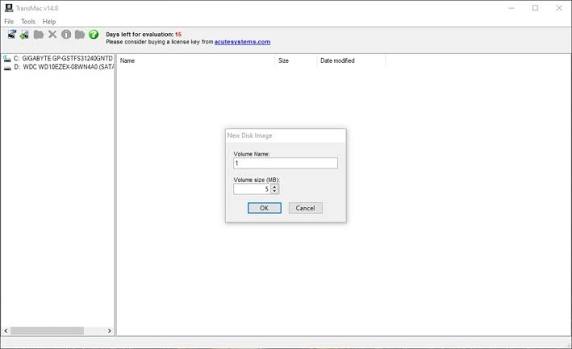
Once the appropriate TransMac software is installed from a legitimate and trusted source, open the application and become familiar with its interface before connecting or modifying important media. The goal during the first session should be identification rather than immediate action. Look for the connected drives, available disk-image options, and menu commands that relate to reading or writing data.
A simple first-time workflow can be understood through the following sequence:
- Identify the exact drive or disk image you need to work with.
- Check whether the storage format is supported.
- Read or inspect the contents before making changes.
- Back up important information before performing write operations.
Taking a few minutes to understand these steps can prevent many common beginner mistakes.
How to Access a Mac-Formatted Drive on Windows
After connecting a compatible external drive, the first important task is identifying the correct device. Windows systems may contain several storage devices, including internal disks, USB drives, memory cards, and other removable media. Selecting the wrong drive during a write operation can have serious consequences, so users should carefully compare the drive capacity and other identifying information before continuing.
With a compatible utility, the user may be able to inspect the Mac-oriented storage structure and browse available files. The experience can differ according to the file system and the capabilities of the installed version. Reading information is generally a safer starting point than making modifications because the user can first determine whether the required files are actually accessible.
For example, a photographer might have an external drive containing a large collection of images that was previously used with a Mac. Instead of formatting the drive to make it appear usable in Windows, the photographer can first investigate the drive using a suitable compatibility tool. If the required files can be accessed, they can then be copied to a Windows-compatible location or another backup device.
Working With Disk Image Files
Another common reason people investigate gettransmac com is the need to work with disk-image files. A disk image is essentially a file representing the contents or structure of storage media. Such files can be useful for backups, software distribution, recovery procedures, and other technical workflows.
Beginners should distinguish between a disk-image file and a physical drive. Opening or inspecting an image does not necessarily mean that a physical storage device is being changed. However, writing an image to removable media is a different operation and should be treated carefully. The destination device may be overwritten depending on the process being used.
Before working with an image, check its file name, location, size, and intended purpose. If it came from another person or organization, confirm that it is the correct image. Large image files can also require substantial free space, so users should avoid starting an operation without checking available storage.
Read Operations Versus Write Operations
One of the most important concepts for beginners is the difference between reading and writing. Reading means viewing or extracting information from a storage source. Writing means changing the contents of a drive or placing new information onto it. These actions have very different risk levels.
A user who simply wants to retrieve documents should generally begin with the least invasive approach available. Once the necessary information has been copied somewhere safe, more advanced operations can be considered. This approach is especially valuable when the original storage device contains the only copy of important data.
| Operation | Typical Purpose | Beginner Consideration |
|---|---|---|
| Browse or read | Inspect available files | Start here when possible |
| Copy data | Move files to another location | Verify the destination first |
| Open disk image | Examine image contents | Confirm the correct image |
| Write image | Prepare compatible media | May overwrite destination data |
| Format storage | Change file-system structure | Back up data first |
This distinction makes the gettransmac com workflow easier to understand because beginners can separate low-risk investigation from operations that can permanently alter storage.
Common Problems Beginners May Encounter
Compatibility software does not automatically solve every storage problem. One common issue is that a drive may not appear as expected. This could be related to a damaged connection, insufficient permissions, unsupported formatting, hardware problems, or an issue with the drive itself. Trying another USB port or checking whether Windows recognizes the physical device can help narrow down the cause.
Another problem can occur when users assume that every Mac-related format is supported equally. File-system support can vary between software versions, operating-system versions, and specific storage configurations. If a particular drive does not behave as expected, users should avoid repeatedly changing settings without understanding what those changes do.
Large storage devices may also take time to scan or display. Users sometimes interpret a delay as a failure and disconnect the drive prematurely. During operations involving external storage, patience can be important. If an operation is clearly active, interrupting it may create additional problems.
Safety Tips for Using Storage Utilities
Storage-management tools should always be treated with caution. A single incorrect selection can result in data loss, particularly when an operation involves formatting, partitioning, or writing an image. Beginners should never assume that a warning message is merely an inconvenience. Read each warning carefully before proceeding.
A practical safety routine includes keeping at least one additional copy of important information, checking drive capacity before selecting a destination, avoiding unnecessary formatting, and confirming that the correct device is selected. Users should also close applications that may be accessing the same files or storage device when performing significant operations.
When researching gettransmac com, users should also pay attention to software authenticity and system security. Downloading unknown executables from unofficial pages can introduce unnecessary security risks. Before installing any Windows utility, verify its source and avoid disabling security protections simply to force an installation. If Windows or security software raises a warning, investigate the reason rather than ignoring it automatically.
Using Gettransmac Com for Practical Windows Tasks
The usefulness of gettransmac com depends largely on what the Windows user is trying to accomplish. Someone moving between Mac and Windows computers may need occasional access to an external drive. A technical professional may need to inspect a disk image. A student might receive a storage device created on a Mac and need to recover files from it. Each situation requires a slightly different workflow.
The important point is that compatibility software should be viewed as a tool within a larger process. It does not replace backups, careful device identification, or basic data-management practices. For example, if a drive contains valuable information, the user should prioritize recovering and backing up that information rather than experimenting with advanced write operations.
This mindset also makes troubleshooting easier. Instead of asking only why a drive does not open, the user can ask more specific questions: What file system is involved? Is the drive physically recognized by Windows? Is the goal to read, copy, or write data? Is the disk image valid? Does the installed software support the required operation? Breaking the problem into these smaller questions usually leads to a clearer solution.
Tips for a Smoother Beginner Experience
A beginner can make the process considerably easier by preparing before opening the software. Know the location of the files you need, identify the external drive by its capacity, and keep a second storage location available if you intend to copy important data. Avoid experimenting on the original copy of valuable information.
It is also helpful to learn the basic terminology. Terms such as disk image, file system, volume, partition, read, write, format, and backup may appear during storage-management tasks. Understanding these terms makes warnings and menus much easier to interpret.
When using gettransmac com as part of your research, remember that software capabilities can change over time. Always consider the Windows version, the installed application version, and the specific format of the storage media. A procedure that works for one configuration may not work identically for another.
Frequently Asked Questions
What is TransMac used for on Windows?
TransMac is a Windows utility designed to provide functionality for working with Mac-oriented storage formats and disk images. Its usefulness depends on the specific file system, storage device, Windows version, and operation the user wants to perform.
Can beginners use TransMac without technical knowledge?
Yes, beginners can use a storage utility when they follow a cautious workflow. The most important practices are identifying the correct device, starting with read or inspection operations, maintaining backups, and understanding the difference between reading and writing data.
Can a Mac-formatted drive be opened directly in Windows?
Windows does not natively provide identical support for every Mac-oriented file system. A compatible third-party utility may provide additional access, depending on the format and software capabilities. Users should identify the drive’s format before deciding what solution is appropriate.
Is it safe to write an image to a USB drive?
Writing an image can replace information on the destination device, depending on the procedure. Before doing so, confirm that the USB drive is the correct destination and back up anything important stored on it. Never assume that an image-writing operation is reversible.
Why does my external drive not appear correctly?
There can be several reasons, including connection problems, unsupported formatting, permissions, damaged partitions, or hardware failure. Checking whether Windows detects the physical device can help determine whether the problem is related to hardware or software compatibility.
Should I format a Mac drive before using it on Windows?
Formatting should not be the first step if the drive contains important information. Formatting can remove existing data. First determine the drive’s file system and investigate whether the information can be accessed or copied using an appropriate compatibility solution.
Conclusion
Using Mac-oriented storage on a Windows computer can initially seem confusing, but understanding the basic principles makes the process much more manageable. The key is to identify the storage format, determine whether you need to read or write data, and choose an appropriate tool for the specific task. Beginners should always prioritize data protection and avoid unnecessary formatting or write operations.
For users researching gettransmac com, the most useful approach is to think of the software as part of a compatibility workflow rather than a one-click solution for every Mac and Windows storage problem. Careful device identification, reliable backups, legitimate software sources, and a clear understanding of each operation can make the experience safer and more predictable. With these fundamentals in place, Windows users can approach Mac-formatted drives and disk images with greater confidence while reducing the risk of accidental data loss.