


Introduction
Working between Windows and Mac computers can sometimes create unexpected file-access challenges. A storage drive that works perfectly on a Mac may not behave the same way when connected to a Windows PC. This is often related to the different file systems and storage technologies used by the two operating systems. Users who regularly move external drives, USB devices, disk images, or archived files between platforms need tools that can help reduce these compatibility barriers. In this environment, gettransmac.com is relevant to Windows users looking for practical ways to understand and manage Mac-oriented storage from a Windows computer.
Cross-platform file management has become increasingly important as people use multiple computers for work, study, creative projects, backups, and personal storage. A photographer might save media on a Mac-formatted external drive and later need to access it from a Windows workstation. Similarly, an IT professional may receive a Mac-created disk image while working primarily on Windows. Instead of assuming that every storage device will automatically be readable, users need to understand the relationship between operating systems, file systems, disk formats, and the software used to bridge compatibility gaps.
Understanding the Windows and Mac File Access Challenge
Windows and macOS are designed around different software environments, and their storage support is not identical. Modern Mac computers commonly use file systems such as APFS, while older Mac storage devices may use HFS+. Windows has its own native support for file systems commonly associated with PCs, including NTFS and FAT-based formats. Because of these differences, plugging a Mac-formatted drive into a Windows computer does not necessarily mean that its contents will immediately appear in File Explorer in a usable form.
The problem can be confusing for people who assume that an external hard drive or USB device is universally accessible. The physical connection may work perfectly, yet the operating system may not understand how to interpret the information stored on the drive. In some situations, Windows may recognize that a storage device exists but fail to display the files in a normal browsing interface. This distinction between detecting hardware and understanding its file system is important when troubleshooting cross-platform storage.
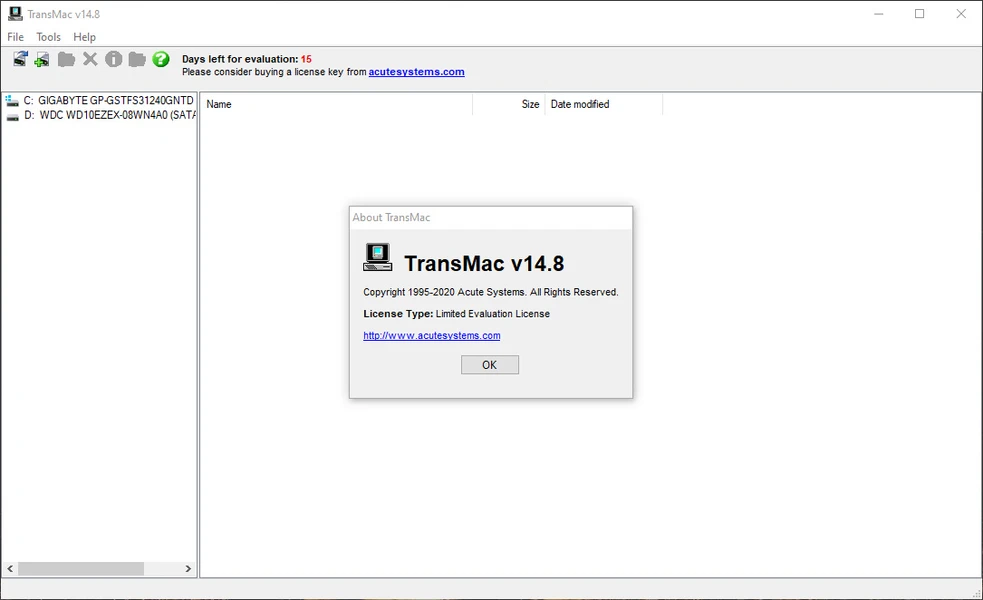
For users dealing with this situation, gettransmac.com can be considered as part of a Windows-based workflow for working with Mac-related storage. The broader purpose of software in this category is to provide an interface between Windows and Mac-oriented disk formats, making it easier for users to inspect, organize, or work with files that would otherwise be difficult to access directly.
How Cross-Platform File Access Works
The Role of File Systems
A file system determines how information is organized and stored on a drive. It controls structures such as folders, filenames, file locations, permissions, and metadata. When an operating system supports a particular file system, it can interpret those structures and present the stored information to the user. When it does not, the drive may appear unfamiliar even though the data itself is still present.
This is why file-system compatibility matters more than the simple question of whether a drive is USB, SSD, or external. A USB connection describes how the hardware communicates with the computer, while the file system describes how data is arranged on the storage device. A Mac-formatted external SSD can therefore connect physically to a Windows PC while still requiring additional software or an appropriate compatibility layer to make its contents accessible.
Understanding this distinction helps users troubleshoot problems more logically. Instead of immediately formatting an unfamiliar drive, users can first identify its file system and determine whether the information stored on it is important. This is particularly valuable when the drive contains years of photographs, business documents, project files, or backups.
Why File Access Software Matters
File-access utilities can make cross-platform workflows more convenient by translating or interpreting storage structures that Windows does not natively handle in the same way. Depending on the software and supported format, users may be able to browse folders, inspect files, copy information, or work with disk images through a Windows interface.
For someone who occasionally receives Mac-formatted storage, this can eliminate the need to move files through another computer solely because of file-system differences. For example, imagine that a designer has a Mac-formatted external drive containing several project folders but needs to use a Windows desktop for a particular application. A compatible storage utility can become part of the workflow for retrieving the required information without unnecessarily changing the original storage format.
How Gettransmac.com Can Help Windows Users
One of the main reasons Windows users may explore gettransmac.com is the need to work with Mac-oriented storage without switching completely to a Mac environment. A compatibility-focused application can provide a more familiar Windows-based approach to storage management, which is useful for people whose primary computer runs Windows but who regularly encounter Mac-created media.
The usefulness of such a solution depends on the specific storage format, Windows version, application capabilities, and whether the user needs read-only access or more advanced operations. These details should always be checked before performing important disk operations. A tool that is appropriate for browsing files may not necessarily be the right choice for repairing a damaged disk or recovering deleted information.
Another benefit of a dedicated approach is that it can make cross-platform workflows more predictable. Instead of repeatedly searching for workarounds whenever a Mac-formatted drive appears, users can establish a consistent process for identifying the drive, checking its format, accessing the required files, and safely transferring information.
Common Situations Where Windows Users Need Mac File Access
Mac-formatted storage can appear in many everyday situations. People working in mixed-device households may exchange external drives between computers, while businesses often have employees using different operating systems. Creative professionals can also encounter compatibility issues because large media libraries are frequently stored on external drives.
Consider a video editor who previously worked on a Mac and later moves to a Windows workstation. Their archived footage may remain on storage devices created for the Mac environment. Reformatting those drives immediately could destroy access to valuable files. A better approach is to identify the storage format first and investigate suitable compatibility options.
Students can encounter a similar situation when receiving project material from a classmate using a Mac. Instead of assuming that a Windows PC will automatically recognize every external device, they can check the drive format and use an appropriate tool when necessary. These situations demonstrate why cross-platform storage knowledge remains useful even as cloud storage and network sharing become more common.
File Formats and Storage Types to Consider
The following table provides a general overview of storage formats that Windows users may encounter when working with Mac-related devices:
| Storage Format | Common Association | Windows Consideration | Typical Use |
|---|---|---|---|
| APFS | Modern macOS | May require additional compatibility software | Modern Mac internal and external storage |
| HFS+ | Older macOS systems | Limited native Windows compatibility | Legacy Mac storage and older drives |
| exFAT | Cross-platform | Broad compatibility | External drives shared between systems |
| FAT32 | Older and cross-platform | Broad compatibility with limitations | USB devices and older storage |
| NTFS | Windows | Native Windows support | Windows internal and external drives |
The table also shows why choosing a file system at the beginning of a storage project can prevent problems later. If a drive will regularly move between Windows and Mac computers, a cross-platform format may sometimes be more practical. However, changing a drive’s format normally involves considerations about existing data, backups, capacity, compatibility, and intended use. Users should not reformat a drive simply because Windows does not immediately recognize it.
Using a Mac-Formatted Drive More Carefully
When connecting an unfamiliar Mac-formatted drive to Windows, the first priority should be protecting the data. Users should avoid clicking formatting prompts simply to make the drive appear usable. If the drive contains important information, formatting can result in data loss or make recovery considerably more complicated.
A sensible workflow begins with identifying the storage device and determining its format. After that, users can evaluate whether they need read-only browsing, file copying, broader write access, disk-image handling, or another specific function. This makes it easier to choose software based on the actual requirement rather than assuming that every storage utility provides identical capabilities.
When considering gettransmac.com, Windows users should similarly evaluate the exact version and functionality available to them before using it with valuable data. Software compatibility can change over time as operating systems, hardware, security requirements, and file systems evolve. Keeping the Windows environment updated and maintaining backups are also important parts of responsible storage management.
Practical Benefits for Different Types of Users
Home Users
For home users, cross-platform storage access can simplify everyday file transfers. Someone might own a Windows desktop but receive an external drive previously used with a MacBook. Instead of buying another computer just to retrieve documents or photographs, compatible Windows software may provide a more convenient route to those files.
Family environments can make this particularly useful because different household members may use different platforms. A shared external drive can contain photographs, school projects, videos, and documents created on different computers over several years. Understanding file-system compatibility can prevent accidental formatting and unnecessary data transfers.
Professionals and Businesses
Businesses frequently operate in mixed technology environments. A marketing team may use Macs for design while administrative staff use Windows PCs for accounting, customer management, and documentation. In such an environment, employees may need to access files originating from Mac systems without changing their primary workstation.
For IT teams, the issue can be even more significant. Support staff may receive a Mac-formatted disk during troubleshooting, migration, or equipment replacement. Having an established cross-platform storage strategy can reduce unnecessary delays and make file-handling procedures more consistent. gettransmac.com may therefore be relevant to Windows users who regularly deal with Mac-based storage as part of their professional workflow.
Important Considerations Before Accessing Mac Drives
Before using any compatibility tool, Windows users should think about the type and importance of the information stored on the drive. Accessing ordinary documents is different from manipulating a system disk, backup volume, or drive containing irreplaceable data. The more important the information, the more valuable a verified backup becomes.
A few practical precautions can make the process safer:
- Identify the drive and its file system before making changes.
- Keep an independent backup of important files whenever possible.
- Avoid formatting prompts until the data has been safely copied.
- Confirm software compatibility with the installed Windows version.
Users should also distinguish between file access and data recovery. If a drive is physically damaged, corrupted, or showing signs of failure, installing ordinary file-access software may not solve the underlying problem. In such cases, professional recovery procedures or specialized diagnostic tools may be more appropriate.
Improving Cross-Platform Storage Workflows
The best long-term solution is often to design storage practices around the way devices are actually used. If a drive regularly moves between Windows and Mac computers, users can consider a file system that supports the required platforms. If a drive is dedicated to one operating system, using its native format may provide advantages for that environment.
Cloud storage and network sharing can also reduce the number of situations where a physical drive needs to move between operating systems. However, physical storage remains important for large media collections, backups, archives, and situations where internet access is limited. That makes cross-platform file management skills useful even in increasingly cloud-based workflows.
Another important habit is maintaining clear file organization. When moving information between platforms, descriptive folder names and consistent file structures can make the process easier. Users should also pay attention to permissions, hidden files, metadata, and filenames that may behave differently across operating systems.
Why Cross-Platform Compatibility Remains Relevant
The growing use of Windows 11 PCs, modern Macs, external SSDs, large USB storage devices, and cloud-connected workflows has not eliminated compatibility concerns. Instead, users often work across more devices than before. A person may use an iPhone for photography, a Mac for creative work, and a Windows PC for business applications. Each platform can become part of the same digital workflow.
This makes tools and knowledge surrounding cross-platform storage increasingly useful. Rather than viewing Windows and Mac as completely separate environments, users can approach them as parts of a broader technology ecosystem. gettransmac.com fits into this discussion because Windows users seeking access to Mac-oriented files may need software specifically designed to address the differences between storage environments.
Frequently Asked Questions
Can Windows normally access every Mac-formatted drive?
No. Windows does not provide identical native support for every file system commonly used by Mac computers. A drive can be physically detected while its stored file structure remains inaccessible through normal Windows tools. The required solution depends on the drive’s file system and the type of access the user needs.
Why does Windows sometimes ask me to format a Mac drive?
Windows may display a formatting prompt when it cannot interpret the file system on a connected storage device. This does not automatically mean that the drive is empty or damaged. If the drive contains important Mac files, users should avoid formatting it before investigating its file system and determining how the data can be accessed safely.
Is gettransmac.com useful for people who regularly use both Windows and Mac?
A cross-platform storage utility can be useful for people who regularly encounter Mac-formatted drives while working from Windows. The exact usefulness depends on the software’s supported formats and features, so users should verify compatibility with their particular drive and Windows environment before relying on it for important data.
Can I use a Mac-formatted external drive without reformatting it?
In some cases, yes. If compatible software supports the drive’s file system, users may be able to access its contents from Windows without immediately reformatting the storage device. This can be especially important when the drive contains existing files that should be preserved.
Should I format a drive so that it works on both Windows and Mac?
It depends on how the drive will be used. A cross-platform file system can be convenient for shared external storage, but users should consider file-size requirements, performance, security features, compatibility, and backup needs before choosing a format. Reformatting should never be performed without confirming that important data has been backed up.
What should I do if a Mac drive contains important files?
The safest approach is to avoid unnecessary changes to the drive. Identify its file system, determine what type of access is required, and use an appropriate compatibility or recovery solution. If the drive appears physically damaged or its data is unusually important, professional assistance may be preferable to repeated attempts at accessing or repairing it.
Conclusion
Windows users increasingly encounter files and storage devices created in different operating-system environments. Although Windows and macOS use different storage technologies, users do not always need to maintain separate computers simply to access archived information. Understanding file systems, recognizing compatibility limitations, and choosing appropriate software can make cross-platform storage management considerably easier.
For people who frequently work with Mac-formatted drives from Windows, gettransmac.com represents a practical topic to explore when looking for ways to bridge the gap between the two environments. The most important principle is to approach storage carefully: identify the file system, protect important data, avoid unnecessary formatting, and select tools according to the specific access requirement.
Ultimately, effective cross-platform file management is about more than opening a particular drive. It involves understanding how operating systems organize information and developing a safe workflow for transferring, browsing, and protecting that information. With the right knowledge and suitable compatibility tools, Windows users can handle Mac-oriented storage with greater confidence while reducing the risk of accidental data loss.