


Managing money wisely has become one of the most valuable skills in today’s fast-changing financial world. Whether someone is saving for retirement, planning to buy a home, or building an investment portfolio, having a clear financial strategy is essential. Smart financial decisions are not based on luck but on careful planning, consistent learning, and disciplined execution. This is where CraigScottCapital becomes an important concept for individuals seeking better financial management and investment knowledge. By focusing on budgeting, wealth creation, risk management, and long-term planning, CraigScottCapital encourages investors to make informed decisions rather than emotional ones. Smart finance involves understanding personal financial goals, evaluating investment opportunities, and maintaining a balanced portfolio that adapts to changing market conditions. Instead of chasing quick profits, successful investors prioritize sustainable growth and financial security. Throughout this guide, readers will discover practical strategies, investment principles, and wealth-building techniques that can help improve financial confidence while making smarter decisions for the future.
Understanding Smart Finance
Smart finance is the practice of managing income, expenses, savings, and investments in a way that creates long-term financial stability. Rather than focusing only on earning more money, smart finance emphasizes using available resources efficiently. Every financial decision should support personal goals, whether those involve buying property, funding education, or preparing for retirement. Financial planning requires patience and continuous evaluation because economic conditions, income levels, and investment opportunities constantly evolve. CraigScottCapital highlights the importance of making calculated financial decisions supported by research instead of speculation. Individuals who understand budgeting, debt management, and investing often experience greater financial confidence over time. Developing healthy financial habits such as tracking expenses, maintaining emergency savings, and investing consistently helps create lasting wealth. Smart finance also encourages learning about financial products before investing, reducing unnecessary risks while maximizing opportunities for future growth.
Building a Strong Financial Foundation
Every successful financial journey begins with a strong foundation. Without proper financial discipline, even high-income earners may struggle to achieve long-term wealth. The first step involves creating a realistic monthly budget that identifies income sources, fixed expenses, and discretionary spending. Once spending patterns become clear, unnecessary expenses can be reduced while increasing savings. Emergency funds are another essential component because unexpected events such as medical emergencies or job loss can significantly affect financial stability. CraigScottCapital promotes financial preparedness by encouraging individuals to maintain emergency savings that cover several months of living expenses. Alongside emergency planning, reducing high-interest debt should remain a priority since excessive borrowing limits future investment opportunities. Strong financial foundations allow individuals to invest confidently because they are less vulnerable to financial setbacks. Over time, disciplined budgeting and responsible money management create opportunities for wealth accumulation and greater financial independence.
Investment Principles for Long-Term Success
Investing is one of the most effective methods for growing wealth over time, but successful investing requires knowledge and patience. Markets naturally experience periods of growth and decline, making emotional decisions one of the biggest threats to investment performance. Instead of reacting to short-term market movements, investors benefit from maintaining long-term perspectives. CraigScottCapital emphasizes diversification as a practical strategy for reducing overall investment risk. Diversification involves spreading investments across multiple asset classes such as stocks, bonds, mutual funds, and real estate instead of relying on a single investment. Regular portfolio reviews also help investors ensure their investments remain aligned with changing financial goals. Another essential principle involves understanding personal risk tolerance before selecting investments. Younger investors may accept higher levels of risk for greater potential returns, while those nearing retirement often prioritize stability and income generation. Successful investing combines research, discipline, and consistent contributions over many years.


The Importance of Financial Planning
Financial planning serves as a roadmap for achieving both short-term and long-term objectives. Without a structured plan, individuals often make impulsive financial decisions that delay wealth creation. A comprehensive financial plan includes budgeting, savings goals, insurance coverage, tax planning, retirement preparation, and investment strategies. Regular reviews ensure financial plans remain effective as personal circumstances change over time. CraigScottCapital encourages individuals to establish measurable financial goals with realistic timelines. These goals may include purchasing a home, starting a business, funding higher education, or building retirement income. Financial planning also helps identify potential risks before they become serious problems. Insurance protection, estate planning, and tax-efficient investing contribute to preserving wealth across generations. By following a structured financial plan, individuals gain greater confidence in their financial future while improving their ability to respond effectively to economic uncertainties.
Core Elements of Smart Finance
| Financial Area | Purpose | Long-Term Benefit |
|---|---|---|
| Budgeting | Control monthly spending | Improved savings |
| Emergency Fund | Handle unexpected expenses | Financial security |
| Investing | Grow wealth steadily | Higher long-term returns |
| Diversification | Reduce investment risk | Stable portfolio |
| Retirement Planning | Prepare for future income | Financial independence |
| Insurance | Protect financial assets | Reduced financial losses |
Wealth Management Strategies
Wealth management is more than simply increasing the value of investments. It is a comprehensive approach to protecting, growing, and transferring wealth in a way that aligns with personal financial goals. A successful wealth management strategy includes regular savings, diversified investments, tax efficiency, retirement planning, and periodic financial reviews. CraigScottCapital emphasizes that wealth should be built gradually through disciplined financial habits rather than high-risk speculation. Investors should review their portfolios at least once or twice a year to ensure their asset allocation remains suitable for their changing needs and market conditions. Rebalancing investments can help maintain the desired level of risk while taking advantage of growth opportunities. Long-term wealth creation also depends on avoiding unnecessary debt, maintaining adequate insurance coverage, and planning for future expenses. By staying committed to a structured financial plan, individuals can build financial security that supports both current needs and future aspirations. Wealth management is ultimately about creating lasting financial stability rather than pursuing short-term gains.
Managing Financial Risk Wisely
Every financial decision carries some level of risk, making risk management an essential part of smart finance. The objective is not to eliminate risk completely but to understand and manage it effectively. Investors should assess factors such as market volatility, inflation, interest rate changes, and economic conditions before making investment decisions. CraigScottCapital encourages balancing higher-risk investments with more stable assets to create a resilient portfolio. Diversification across industries, investment types, and geographical markets helps reduce the impact of poor performance in any single area.
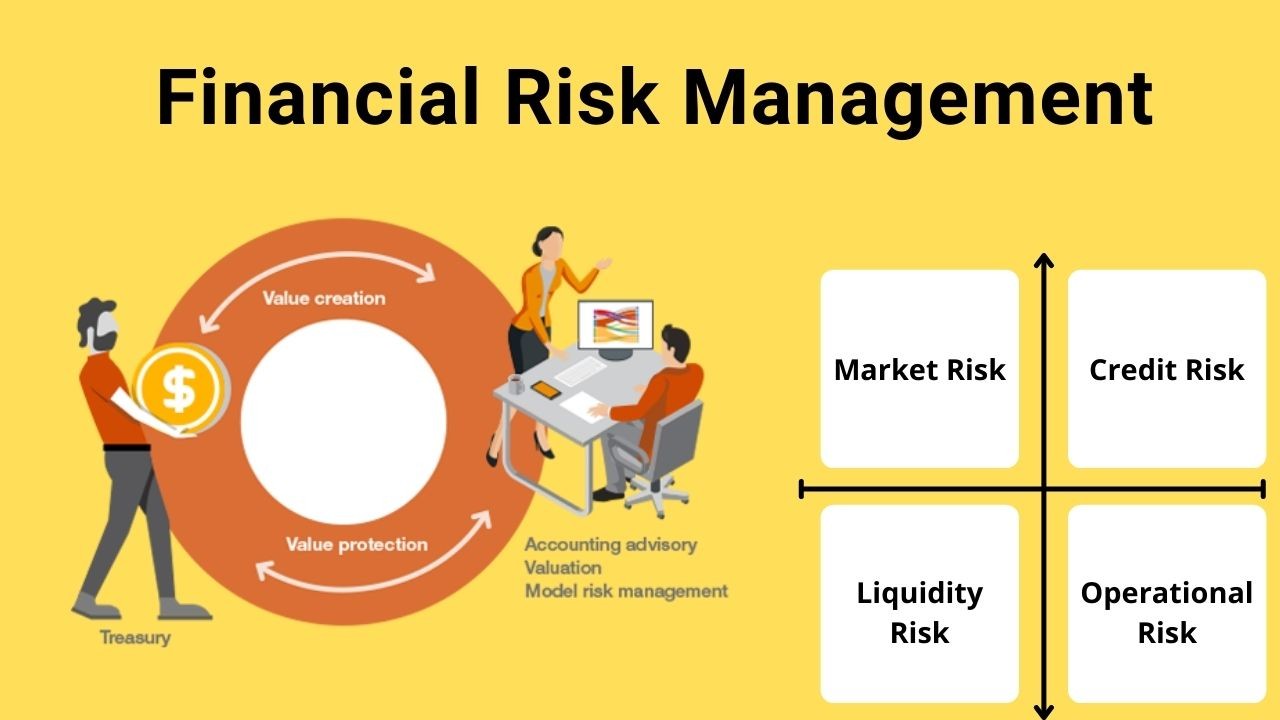
Insurance also plays a valuable role in protecting financial assets from unexpected events such as medical emergencies, property damage, or income loss. Another important strategy is maintaining an emergency fund that prevents investors from selling long-term investments during financial emergencies. Risk management requires continuous monitoring because financial markets and personal circumstances evolve over time. Careful planning allows investors to pursue growth opportunities while minimizing unnecessary financial losses.
Smart Saving Habits for Financial Success
Saving money consistently is one of the simplest yet most powerful financial habits anyone can develop. While investing generates long-term growth, savings provide immediate financial security and flexibility. A disciplined savings strategy starts with setting realistic financial goals and automatically allocating a portion of income toward those goals each month. CraigScottCapital promotes the idea of paying yourself first, meaning savings should become a priority before discretionary spending. Small but consistent contributions often produce significant results over time through financial discipline and compound growth. Individuals should establish separate savings accounts for emergencies, vacations, education, or major purchases to avoid disrupting long-term investment plans. Monitoring spending habits also helps identify unnecessary expenses that can be redirected toward savings and investments. Smart saving does not require sacrificing every personal enjoyment but instead encourages thoughtful spending decisions that support long-term financial objectives. Consistency, patience, and financial discipline remain the keys to successful saving.
The Role of Technology in Modern Finance
Technology has transformed personal finance by making financial management more accessible, efficient, and convenient than ever before. Mobile banking, digital payment systems, investment platforms, budgeting applications, and financial planning software allow individuals to monitor their finances from virtually anywhere. CraigScottCapital recognizes that technology provides valuable tools for tracking expenses, analyzing investment performance, and improving financial decision-making. Automated investment plans and recurring savings transfers help individuals remain consistent without relying solely on personal discipline. Financial technology also increases access to educational resources that improve financial literacy and investment knowledge. However, users should remain cautious about cybersecurity risks by using strong passwords, enabling multi-factor authentication, and regularly monitoring account activity. Technology serves as a valuable financial assistant, but informed decision-making remains essential. Combining modern financial tools with sound financial principles enables individuals to make smarter choices while maintaining greater control over their financial future.
Common Financial Mistakes to Avoid
Even experienced investors occasionally make financial mistakes, but recognizing common errors can help prevent costly setbacks. Some of the most frequent mistakes include:
- Spending beyond monthly income.
- Ignoring the importance of an emergency fund.
- Investing without proper research.
- Relying on a single investment for wealth creation.
- Making emotional decisions during market fluctuations.
- Delaying retirement planning.
- Carrying high-interest debt for long periods.
- Failing to review financial goals regularly.
Avoiding these mistakes requires discipline, patience, and continuous financial education. By following structured financial strategies and reviewing progress regularly, individuals can improve their chances of achieving long-term financial success.
Smart Finance Practices and Their Benefits
| Smart Finance Practice | Primary Benefit | Long-Term Impact |
|---|---|---|
| Monthly Budgeting | Better spending control | Increased savings |
| Regular Investing | Portfolio growth | Wealth accumulation |
| Diversification | Lower investment risk | Stable returns |
| Emergency Savings | Financial protection | Reduced financial stress |
| Annual Portfolio Review | Better investment alignment | Improved long-term performance |
| Retirement Planning | Future financial security | Financial independence |
Practical Tips for Smart Financial Growth
Achieving long-term financial success does not require extraordinary income or complex investment strategies. Instead, it depends on consistently following practical financial habits that strengthen your financial position over time. CraigScottCapital encourages individuals to focus on steady progress rather than attempting to achieve overnight wealth. Setting clear financial goals provides direction and motivation while making it easier to measure progress. Tracking monthly expenses helps identify unnecessary spending and creates opportunities to increase savings. Investors should also continue improving their financial knowledge by learning about market trends, investment options, tax planning, and personal budgeting. Reviewing financial plans annually ensures that changing life circumstances are reflected in investment strategies and savings goals. Building multiple income sources, such as investments or side businesses, can further strengthen financial stability and reduce dependence on a single paycheck. Above all, patience remains one of the greatest financial advantages. Consistent saving, disciplined investing, and informed decision-making can produce meaningful wealth over many years, even when starting with modest financial resources.
Practical Financial Tips
- Create and follow a realistic monthly budget.
- Save a fixed percentage of every paycheck.
- Build an emergency fund before making high-risk investments.
- Diversify your investment portfolio across different asset classes.
- Review your financial goals at least once each year.
- Reduce high-interest debt whenever possible.
- Invest consistently instead of trying to time the market.
- Continue learning about personal finance and investing.
- Protect your assets with appropriate insurance coverage.
- Stay disciplined during periods of market volatility.
The Future of Smart Finance
The financial landscape continues to evolve as technology, global markets, and consumer behavior reshape how people manage money. Digital banking, artificial intelligence, automated investing, and financial analytics are making financial planning more accessible than ever before. While these innovations provide convenience and efficiency, the core principles of smart finance remain unchanged. Responsible budgeting, disciplined saving, diversified investing, and long-term planning continue to be the foundation of financial success. CraigScottCapital highlights the importance of adapting to new financial tools while maintaining sound investment principles. Future investors who combine financial knowledge with modern technology will be better prepared to navigate changing economic conditions and seize new opportunities. Financial education will remain one of the most valuable investments anyone can make, helping individuals make informed decisions in an increasingly complex financial environment. As markets continue to evolve, those who remain patient, flexible, and committed to long-term goals will be better positioned to build sustainable wealth and financial independence.
Conclusion
Smart financial management is a lifelong journey built on knowledge, discipline, and thoughtful decision-making. Every financial choice, from creating a budget to selecting investments, contributes to long-term financial well-being. Rather than seeking quick profits or reacting emotionally to market fluctuations, successful individuals focus on consistent progress and carefully planned strategies. Throughout this guide, CraigScottCapital has illustrated the value of building a strong financial foundation, managing risk wisely, saving consistently, and investing with a long-term perspective. These principles help individuals strengthen their financial security while preparing for future opportunities and challenges. Smart finance is not about predicting every market movement but about making informed decisions that align with personal financial goals. By following proven financial practices, regularly reviewing progress, and adapting to changing economic conditions, anyone can improve their financial confidence and work toward lasting wealth. With patience, discipline, and continuous learning, CraigScottCapital serves as a reminder that sustainable financial success is achieved through careful planning and consistent action rather than short-term speculation.
Read more: CraigScottCapital Wealth Strategies