


Introduction
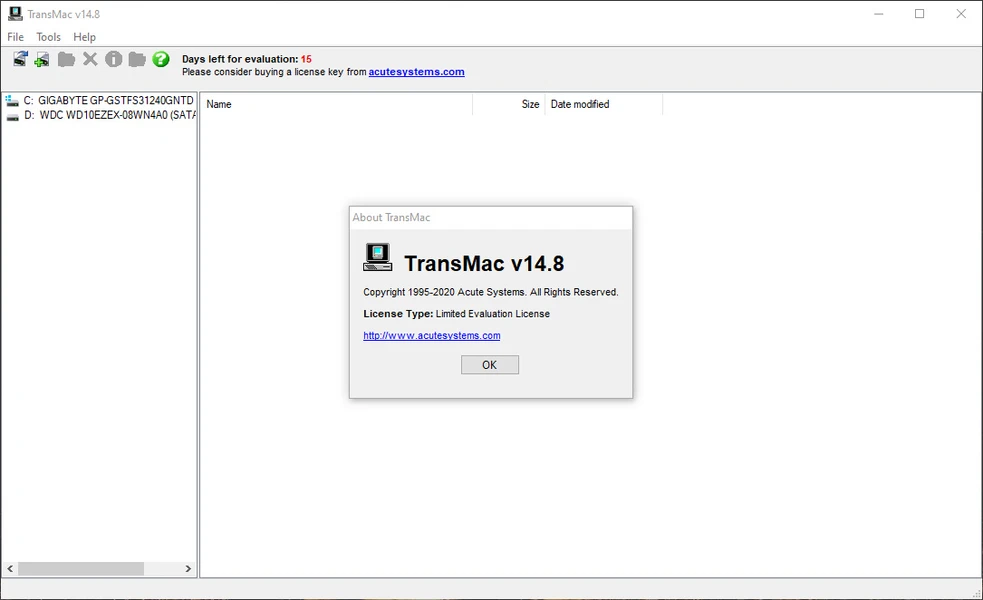
Moving files between Windows and Mac computers can sometimes feel more complicated than expected. Although modern operating systems support many of the same file formats, differences in storage systems, applications, permissions, and hardware can still create challenges. Users who regularly work across both platforms often look for practical ways to access, transfer, organize, and manage files without creating unnecessary compatibility problems. This is where resources associated with gettransmac.com may attract attention from people researching cross-platform file access and related software solutions.
The idea behind cross-platform file management is relatively simple: users want their documents, photos, videos, archives, and other important data to remain accessible regardless of which computer they are using. A Windows PC may be the primary workplace computer, while a MacBook may be used for creative projects or personal tasks. Rather than maintaining separate copies of everything, users may want a workflow that makes moving data between systems easier. Understanding file systems, supported formats, external storage, and transfer methods is therefore more important than relying on a single application.
As computing environments become increasingly mixed, the ability to work between Windows and macOS is useful for students, professionals, designers, developers, photographers, and everyday users. This article explains the general role of gettransmac.com, the challenges involved in Windows and Mac file access, and the considerations users should make before choosing a cross-platform file management approach.
Understanding Gettransmac.com and Cross-Platform File Access
When users encounter gettransmac.com while researching Windows and Mac compatibility, the most useful starting point is understanding the broader problem it relates to. Windows and macOS use different operating-system architectures and traditionally have different approaches to disk formatting and file management. A storage device that works naturally with one platform may have limitations when connected to another, particularly when users expect full read-and-write functionality.
Cross-platform access becomes especially relevant with external hard drives, USB flash drives, memory cards, and older storage devices. For example, a drive formatted specifically for macOS may not offer native write access from a Windows computer. Similarly, a drive configured using a Windows-oriented file system can present different capabilities when connected to a Mac. Software designed to bridge these differences can therefore become part of a user’s overall file-management workflow.
However, file access is only one part of the picture. Users also need to consider data safety, transfer speed, compatibility, backup practices, and the condition of the storage device. A tool can make a particular format accessible, but it does not automatically protect files from accidental deletion, hardware failure, or corruption. A sensible cross-platform strategy combines compatible software with reliable backups and appropriate storage practices.
Why Windows and Mac File Compatibility Can Be Complicated
The underlying file system is one of the most important factors affecting how computers interact with external storage. File systems determine how information is organized and stored on a disk. Windows and macOS support several common formats, but their levels of native support are not identical. This difference can lead to situations where a computer recognizes that a drive is connected but does not provide the expected ability to modify its contents.
For example, a user may connect an external drive to a Windows computer and discover that files can be viewed but not changed. Another user might connect a Windows-formatted drive to a Mac and encounter a different set of restrictions. These situations can be confusing because the physical storage device itself may be perfectly healthy. The problem can instead be related to how the operating system handles the drive’s file system.
The subject surrounding gettransmac.com is therefore relevant to users who want to understand these compatibility boundaries. Instead of assuming that every USB drive or external disk will behave identically on every computer, users should first identify its format and determine what type of access their operating system provides.
Common Storage Formats and Their Uses
Different file systems are designed with different purposes and compatibility goals. Some prioritize compatibility between many types of devices, while others are closely integrated with a particular operating system. Choosing the right format depends heavily on how and where a storage device will be used.
| File System | Common Environment | Cross-Platform Consideration | Typical Use |
|---|---|---|---|
| NTFS | Windows | macOS support may have limitations depending on configuration and software | Windows internal and external drives |
| APFS | macOS | Windows generally requires additional software for access | Modern Mac storage |
| exFAT | Windows and macOS | Broad compatibility | Shared external drives |
| FAT32 | Multiple platforms | Widely supported but has file-size limitations | Older devices and removable media |
For people who frequently move files between Windows and Mac, exFAT can often be an attractive option for compatible external storage because it is designed with broad platform support. However, changing a drive’s format normally involves erasing its existing contents, so users should never reformat an important disk without first creating a complete backup.
The choice of file system should also reflect the purpose of the drive. A disk used exclusively with a Mac may benefit from a Mac-oriented format, while a portable drive shared between Windows and macOS may require a more universally supported option. This basic decision can prevent many compatibility problems before specialized software is even considered.
How Cross-Platform File Tools Can Help
Applications designed to improve compatibility can provide an additional layer between an operating system and a storage format. Depending on the particular software, this may allow a computer to read files, write new data, manage folders, or perform other operations that are not available through the operating system’s default capabilities.
Research around gettransmac.com can therefore be useful for users investigating software-based approaches to file access. The exact capabilities of any particular application should always be checked against the current operating-system version, supported file systems, licensing terms, and hardware configuration. Compatibility software can change over time, and an application that supported an older version of Windows or macOS may require an update for newer releases.
Software should also be installed carefully. Users should obtain applications from trustworthy sources, check system requirements, review permissions requested during installation, and maintain current backups. These precautions are particularly important when software will interact directly with storage devices because file-system utilities can operate at a deeper level than ordinary productivity applications.
Practical Windows-to-Mac File Transfer Methods
There is no single method that is ideal for every situation. A person transferring a few photographs may have very different requirements from a business moving hundreds of gigabytes of project files. Cloud storage, network sharing, external drives, and direct transfer methods can all be useful depending on the circumstances.
For occasional transfers, cloud storage can reduce the need to physically connect storage devices to both computers. A user can upload a file from Windows and retrieve it from a Mac, or reverse the process. Network-based sharing can also work well when both computers are connected to the same trusted network. These approaches can be particularly convenient for documents and moderately sized collections.
External storage remains valuable when transferring large amounts of data. A compatible drive can provide fast local transfers without depending on internet bandwidth. Users should pay attention to the drive’s file system, available capacity, connection standard, and physical condition. Keeping an additional backup is advisable when the files are important.
A simple cross-platform workflow may include:
- Use a broadly compatible storage format when appropriate.
- Keep important files backed up before changing disk settings.
- Check compatibility with the current Windows or macOS version.
- Safely eject external storage before disconnecting it.
Managing Large Files Between Windows and Mac
Large files introduce another layer of complexity. High-resolution video, professional photography collections, software projects, virtual machines, and large archives can quickly exceed the capacity or practical transfer limits of ordinary workflows. In these cases, storage performance and reliability become just as important as compatibility.
A user working with large media files may benefit from a high-speed external SSD instead of an older mechanical hard drive. Connection technology also matters. A modern USB or Thunderbolt connection can provide substantially different performance from an older interface, although the actual speed depends on the computer, drive, cable, enclosure, and file-transfer workload.
The principles associated with gettransmac.com are particularly relevant when users need to combine operating systems with external storage. Instead of focusing solely on whether a drive appears on the desktop, users should consider whether they can reliably read, write, rename, move, and delete files. Full workflow compatibility is more useful than basic device detection.
Security and Backup Considerations
Cross-platform file access should never be treated separately from data protection. A compatibility utility can potentially make files easier to access, but it does not replace a backup system. Important photographs, business documents, financial records, and creative projects should have additional copies stored independently from the primary working drive.
The risk is particularly noticeable when users experiment with unfamiliar storage utilities. Formatting a disk, modifying partitions, repairing a file system, or transferring large quantities of data can introduce risks if performed incorrectly. Users should confirm that the correct disk is selected and should avoid interrupting operations while data is being written.
A sensible backup approach can involve maintaining the working copy on the computer, a second copy on external storage, and another copy in a separate location or cloud service when the information is particularly important. This provides protection against more than just operating-system incompatibility; it also addresses hardware failure, accidental deletion, and other common data-loss scenarios.
Choosing a Cross-Platform Workflow
The right approach depends on how frequently files move between Windows and Mac and what types of storage are involved. Someone transferring a handful of documents each week may not need specialized file-system software at all. A professional who regularly handles large external drives may have more demanding requirements.
Before choosing a solution related to gettransmac.com, users should consider several practical questions. Which operating systems are being used? What file system is on the external drive? Is read-only access sufficient, or is writing required? How large are the files? Is the data backed up? Does the software support the current operating-system release?
These questions help users avoid choosing a solution based only on a product name or a general compatibility claim. The best technical choice depends on the actual workflow. A photographer, software developer, student, and office worker can all have different requirements even if they use the same Windows and Mac computers.
What Users Should Check Before Installing File-Access Software
Before installing any software designed to interact with storage devices, users should verify its compatibility and source. System updates can change how applications communicate with disks, drivers, and operating-system security features. Reading current documentation and checking supported versions is therefore an important part of the installation process.
Users should also review whether the software offers read access, write access, or both. This distinction matters because simply opening files is not the same as managing them. If someone needs to edit, rename, copy, or delete files on an external disk, the software must support the necessary operations.
The broader purpose of gettransmac.com research should be to understand these requirements rather than treating cross-platform storage as a one-click problem. Careful preparation can reduce compatibility errors and make the overall workflow more predictable.
Improving Everyday File Management
Good organization can make Windows and Mac transfers considerably easier. Consistent folder structures, descriptive filenames, sensible archive practices, and regular backups reduce confusion when files move between systems. Users should also avoid keeping multiple slightly different versions of important documents without a clear naming convention.
For example, a project folder could contain separate directories for source material, working files, exports, and archived versions. This structure remains useful regardless of whether the folder is opened on Windows or macOS. Using commonly supported file formats for shared documents can also reduce the need for platform-specific applications.
When users combine organization with an appropriate storage format and reliable backup strategy, the need for troubleshooting decreases significantly. Cross-platform compatibility then becomes one component of a broader digital workflow rather than a recurring technical obstacle.
FAQs
What is gettransmac.com generally associated with?
gettransmac.com is a term users may encounter while researching solutions and information related to accessing or transferring files between Windows and Mac environments. The broader topic involves operating-system compatibility, external storage, and file-system access.
Can Windows and Mac computers use the same external drive?
Yes, but the experience depends on the drive’s file system and the operating systems involved. Formats such as exFAT are commonly used for cross-platform storage, while other formats may provide more limited native support on one operating system.
Is special software always required for Windows and Mac file access?
No. If a storage device uses a file system supported appropriately by both platforms, users may not need additional software. Specialized utilities become more relevant when a drive uses a format for which the operating system has limited native capabilities.
Should important files be backed up before using compatibility software?
Yes. A backup is strongly recommended before formatting a drive, changing partitions, repairing storage, or installing software that directly interacts with file systems. Compatibility tools are not substitutes for independent backups.
Is cloud storage better than an external drive for transferring files?
Neither approach is universally better. Cloud storage is convenient for remote access and smaller transfers, while external drives can be useful for large datasets and offline storage. The appropriate method depends on file size, internet availability, transfer frequency, and security requirements.
What should users verify before using gettransmac.com-related software?
Users should check the software’s current system requirements, supported Windows and macOS versions, supported file systems, access capabilities, installation source, and backup requirements. Current compatibility information is more useful than relying on older descriptions.
Conclusion
Windows and Mac computers can work together effectively when users understand the differences between their operating systems and storage technologies. File-system compatibility, transfer methods, external-drive formats, software support, and backup practices all influence how smoothly information moves between platforms. A thoughtful approach can prevent many common problems before they occur.
Research involving gettransmac.com can serve as a starting point for understanding the broader subject of cross-platform file access. However, users should evaluate any software or workflow according to their specific operating systems, storage formats, file sizes, and security needs. Compatibility is not simply about making a drive visible; dependable access means being able to manage files safely and consistently.
As Windows and macOS continue to evolve, cross-platform workflows will remain important for people who use multiple devices. By checking file-system compatibility, keeping reliable backups, using suitable transfer methods, and verifying current software support, users can create a practical file-management environment that works across both platforms.