


Introduction
As technology continues to evolve in 2026, users frequently need reliable solutions for transferring files between Windows and Mac systems. One of the most popular tools for this purpose is gettransmac com, a software solution that allows Windows users to access, create, format, and manage Mac-compatible drives without requiring a macOS device. Whether you are a professional, student, IT technician, or casual computer user, understanding how to maximize the capabilities of this software can save significant time and effort.
The growing popularity of cross-platform workflows means that file compatibility is more important than ever. Many users regularly switch between operating systems, making it essential to have a dependable tool that bridges the gap. While many people use the software for basic file transfers, few take advantage of its advanced features and optimization options. Learning efficient usage methods can improve performance, reduce errors, and enhance overall productivity.
This guide explores the most effective strategies for using gettransmac com in 2026. From optimizing transfer speeds to protecting valuable data, these practical tips will help users get the most from the software while maintaining a smooth and reliable workflow.
Understanding the Purpose of the Software
Before diving into optimization techniques, it is important to understand what the software is designed to do. The primary function of gettransmac com is enabling Windows systems to interact with Mac-formatted storage devices. Since Windows does not natively support many Apple file systems, this software provides a convenient solution.
Users can:
- Read Mac-formatted drives
- Write files to compatible storage devices
- Create disk images
- Restore DMG files
- Format drives for Mac compatibility
- Manage external storage devices
The software eliminates the need for complex workarounds and allows direct access to files stored on Mac disks. This functionality is especially valuable in professional environments where different operating systems must coexist.
| Feature | Benefit |
|---|---|
| Read Mac Drives | Access Mac files on Windows |
| Write Capability | Transfer files efficiently |
| DMG Management | Restore and create disk images |
| Drive Formatting | Prepare storage for macOS |
| User-Friendly Interface | Simplifies file management |
Keep the Software Updated
One of the easiest ways to improve efficiency is to ensure that your software remains updated. Developers regularly release updates that improve performance, add compatibility for new file systems, and fix bugs.

Using outdated versions may lead to:
- Slower transfer speeds
- Compatibility issues
- Security vulnerabilities
- Unexpected crashes
In 2026, operating systems receive frequent updates, making software compatibility increasingly important. Updating gettransmac com ensures that it works properly with the latest Windows releases and modern storage technologies.
Regular updates also provide improved support for larger SSDs and external drives. As storage capacities continue growing, software optimization becomes crucial for maintaining stable performance during large file transfers. Users who keep their applications current often experience fewer technical problems and enjoy a more seamless workflow.
Organize Files Before Transfer
Efficient file management begins before the transfer process starts. Many users waste time moving unnecessary files or poorly organized folders between systems.
Before transferring data:
- Remove duplicate files.
- Delete outdated documents.
- Compress large folders when possible.
- Create logical folder structures.
- Rename files clearly.
A well-organized file system significantly reduces transfer times and simplifies locating important data afterward. This approach also minimizes the likelihood of accidental file duplication.
When using gettransmac com, transferring smaller, organized batches often results in better performance than attempting to move massive collections of unorganized data simultaneously.
Use High-Speed Storage Devices
The software’s performance depends heavily on the hardware being used. Even the most efficient software cannot overcome limitations caused by slow storage devices.
For optimal performance in 2026, consider:
- USB 3.2 drives
- Thunderbolt-compatible devices
- NVMe SSDs
- High-speed external SSDs
These modern storage technologies provide significantly faster read and write speeds compared to traditional hard drives.
| Storage Type | Approximate Speed |
|---|---|
| HDD | 80–150 MB/s |
| SATA SSD | 500–600 MB/s |
| NVMe SSD | 2,000–7,000 MB/s |
| Thunderbolt SSD | 3,000–8,000 MB/s |
Combining fast hardware with gettransmac com creates a highly efficient environment for transferring large files and managing disk images.
Minimize Background Applications
Many users overlook the impact of background applications on system performance. Running multiple resource-intensive programs while transferring files can slow down operations considerably.
:max_bytes(150000):strip_icc()/A5-StopProgramsRunningintheBackgroundonWindows11-annotated-97f316bda86045d5b683661c42a916f1.jpg)
Applications that commonly affect performance include:
- Video editors
- Web browsers with many tabs
- Cloud synchronization tools
- Antivirus scans
- Virtual machines
Closing unnecessary applications frees system resources, allowing the software to operate more efficiently.
Modern computers are powerful, but disk-intensive processes still compete for bandwidth. Reducing system load before initiating major transfers can dramatically improve speed and responsiveness.
Create Backups Before Major Operations
Data protection should always be a priority when managing storage devices. Before formatting drives, restoring images, or making significant changes, create backups of important files.
Backup strategies include:
- External hard drives
- Cloud storage solutions
- NAS systems
- Secondary SSDs
Creating backups provides peace of mind and prevents accidental data loss. Even experienced users occasionally make mistakes during disk operations.
A backup-first mindset allows users to explore advanced features of gettransmac com confidently while minimizing potential risks.
Utilize Disk Image Features
One of the most useful features available is disk image management. Disk images offer an efficient way to store complete copies of drives and operating system installations.
Advantages include:
- Easy system restoration
- Faster deployment
- Secure archival storage
- Reduced physical media dependence
Disk images are especially useful for IT professionals managing multiple systems. Instead of manually configuring each device, users can deploy preconfigured images quickly.
As organizations increasingly rely on standardized environments, mastering image management through gettransmac com becomes a valuable productivity skill.
Monitor Available Storage Space
Insufficient storage space can cause transfers to fail unexpectedly. Before beginning any operation, verify that adequate space exists on both the source and destination drives.
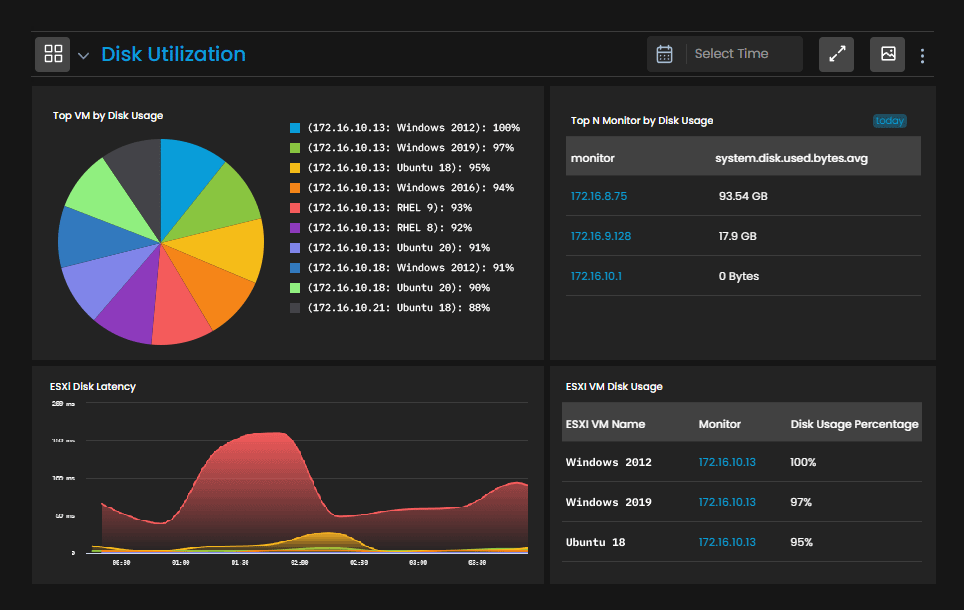
Recommended practices include:
- Keeping 15–20% free space available
- Removing temporary files regularly
- Archiving inactive data
- Monitoring storage usage monthly
Maintaining sufficient free space supports smoother operations and helps preserve drive performance over time.
Storage management remains an important aspect of efficient computing, particularly as file sizes continue increasing due to higher-resolution media and larger software installations.
Verify File Integrity After Transfers
Successful transfers should always be verified. Corrupted files can create significant problems, especially when dealing with important documents or system files.
Methods for verification include:
- Comparing file sizes
- Checking file counts
- Opening transferred files
- Using checksum tools
Verification ensures that transferred data remains intact and usable. While this step may seem unnecessary for small transfers, it becomes increasingly important when moving large volumes of data.
Users who consistently verify transfers can detect issues early and avoid future complications.
Optimize Drive Health
Drive health directly impacts software performance. Storage devices naturally degrade over time, affecting transfer speeds and reliability.
To maintain healthy drives:
- Monitor SMART data
- Replace aging drives
- Avoid physical damage
- Keep firmware updated
- Perform periodic diagnostics
Healthy drives provide more stable performance and reduce the risk of data corruption. Pairing well-maintained hardware with gettransmac com creates a dependable file management environment.
| Maintenance Task | Frequency |
|---|---|
| Check Drive Health | Monthly |
| Update Firmware | Quarterly |
| Clean Temporary Files | Weekly |
| Verify Backups | Monthly |
| Run Diagnostics | Every 3 Months |
Learn Keyboard Shortcuts and Workflow Automation
Productivity often comes from reducing repetitive actions. Users who learn software shortcuts and automate common tasks can save substantial time.
Examples include:
- Batch file transfers
- Automated backups
- Folder templates
- Consistent naming conventions
- Scheduled maintenance routines
These small improvements accumulate over time and significantly enhance efficiency.
Professional users handling large numbers of files benefit especially from workflow optimization strategies that reduce manual intervention.
Improve Security During Transfers
Data security remains a major concern in 2026. Sensitive files should always be protected during transfer and storage operations.

Recommended security measures:
- Use strong passwords
- Encrypt important files
- Maintain updated antivirus software
- Scan external drives regularly
- Restrict unauthorized access
Security-focused practices protect both personal and professional data while maintaining system integrity.
By combining security awareness with the functionality of gettransmac com, users can manage files safely across different platforms.
Common Mistakes to Avoid
Even experienced users occasionally make errors that reduce efficiency. Understanding these common mistakes helps prevent unnecessary problems.
Frequent Issues
- Disconnecting drives during transfers
- Ignoring software updates
- Skipping backups
- Overloading storage devices
- Using low-quality USB cables
- Neglecting file verification
Avoiding these mistakes improves reliability and ensures a smoother user experience.
Many transfer-related issues stem from simple oversights rather than software limitations. Developing good habits can dramatically improve overall results.
Future Trends for Cross-Platform File Management
Cross-platform file sharing continues evolving rapidly. Several trends are shaping the future of file management in 2026 and beyond.
Key developments include:
- Faster external storage technologies
- Expanded cloud integration
- AI-assisted file organization
- Enhanced encryption standards
- Greater operating system compatibility
As these innovations become more widespread, tools like gettransmac com will continue playing an important role in bridging operating system differences.
Users who stay informed about emerging technologies can adapt more quickly and maintain efficient workflows as digital environments evolve.
Conclusion
Efficient file management between Windows and Mac systems remains an essential requirement for many users in 2026. By applying best practices such as keeping software updated, organizing files before transfers, using high-speed storage devices, monitoring drive health, and maintaining strong security measures, users can significantly improve performance and reliability.
The value of gettransmac com lies not only in its ability to access Mac-formatted drives from Windows but also in the flexibility and convenience it provides for modern cross-platform workflows. When used strategically, it becomes a powerful tool for transferring files, managing disk images, and maintaining productivity across multiple operating systems.
By implementing the tips discussed in this guide, users can maximize efficiency, reduce errors, and enjoy a smoother experience while working with gettransmac com throughout 2026 and beyond.